
The New Definition of Luxury Hotels
The Hotels Redefining Luxury Today
For decades, luxury hotels were defined by grandeur: marble lobbies, chandeliers, gilded details, and suites designed to impress. But in recent years, a profound shift has taken place in the world of hospitality. Today, the most forward-thinking hotels are redefining what luxury truly means.
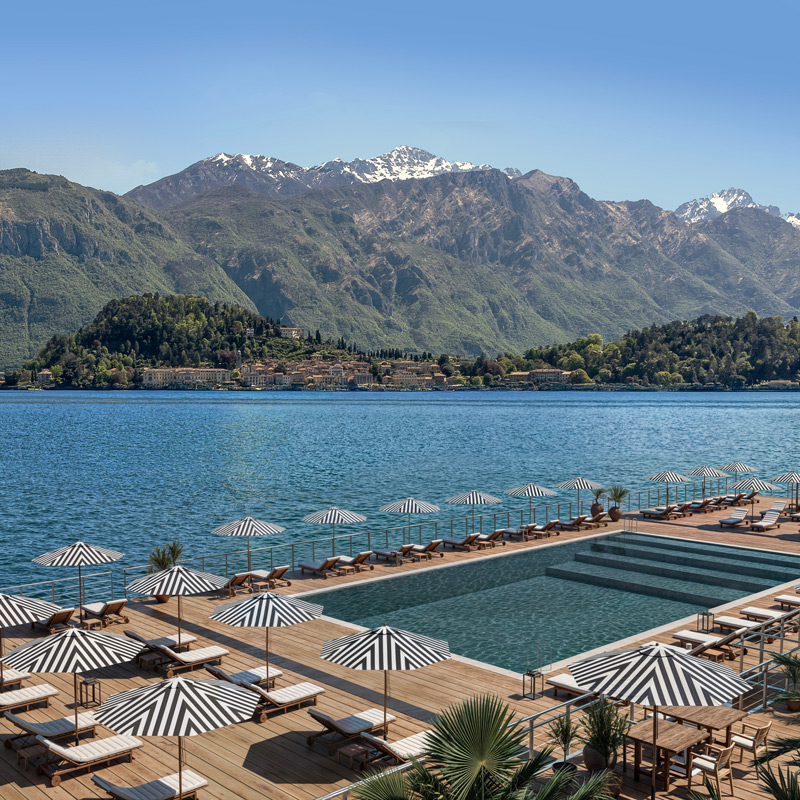
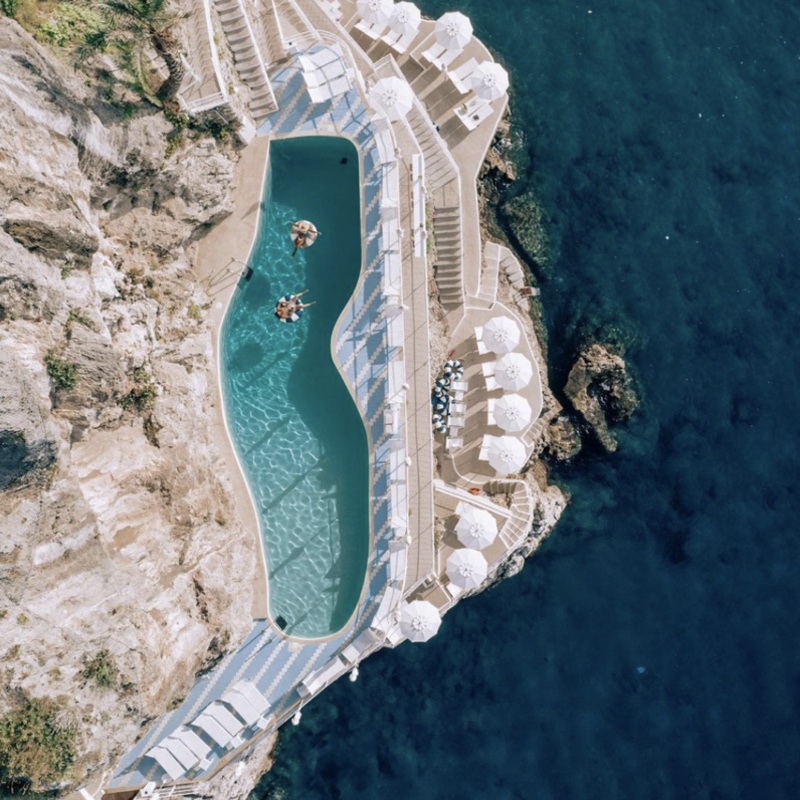
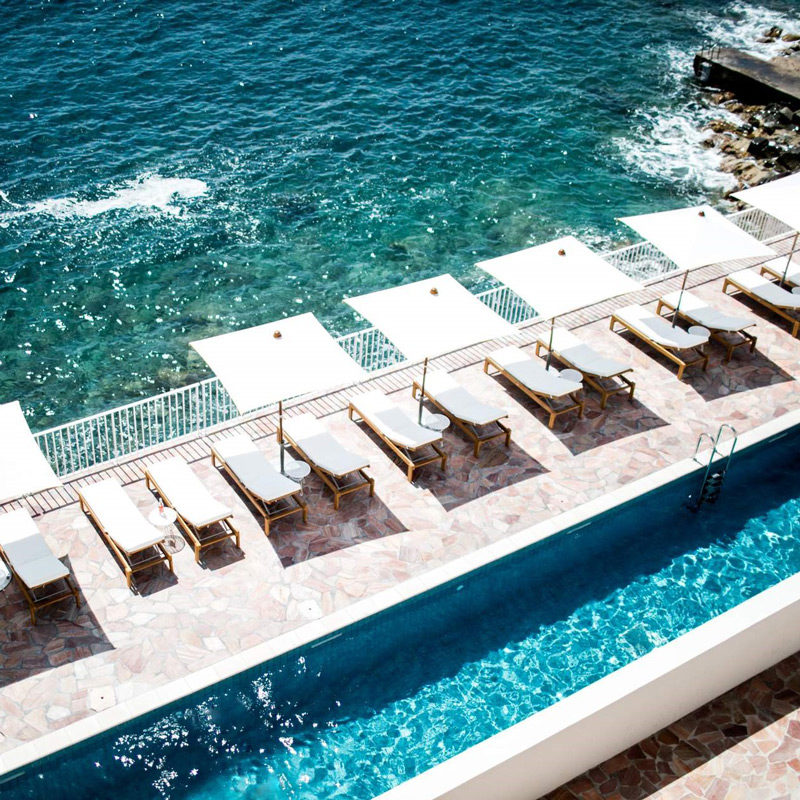
Modern travelers are no longer searching only for extravagance. Instead, they seek authenticity, thoughtful design, sustainability, and deeply personal experiences. From remote island retreats to sophisticated urban sanctuaries, a new generation of hotels is transforming the meaning of luxury travel.
A New Era of Quiet, Minimalist Luxury
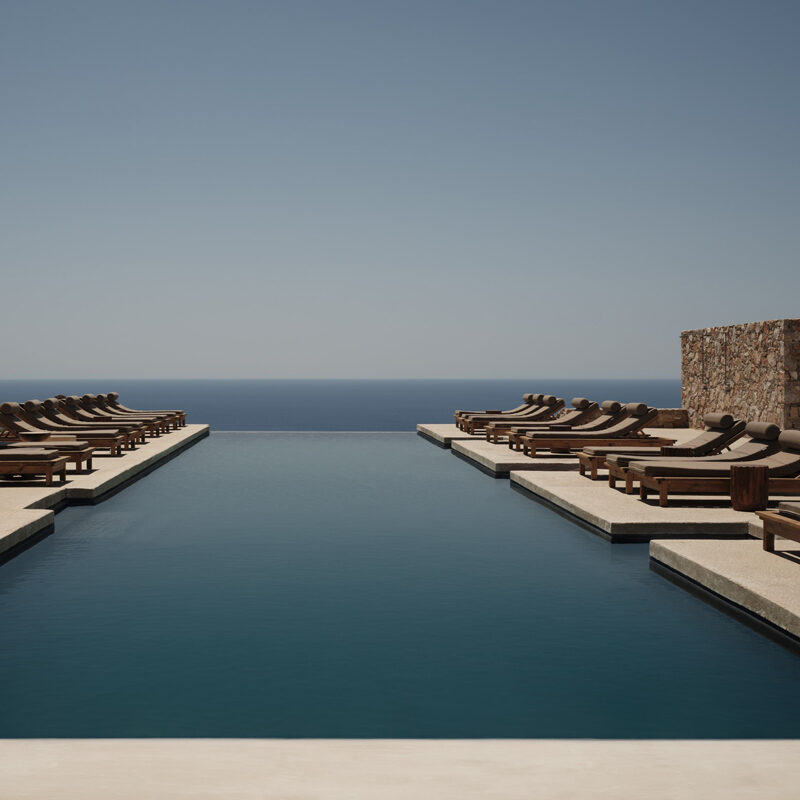
The first major evolution lies in aesthetics. While traditional luxury often celebrated opulence, many contemporary hotels now embrace a quieter, more refined form of elegance.
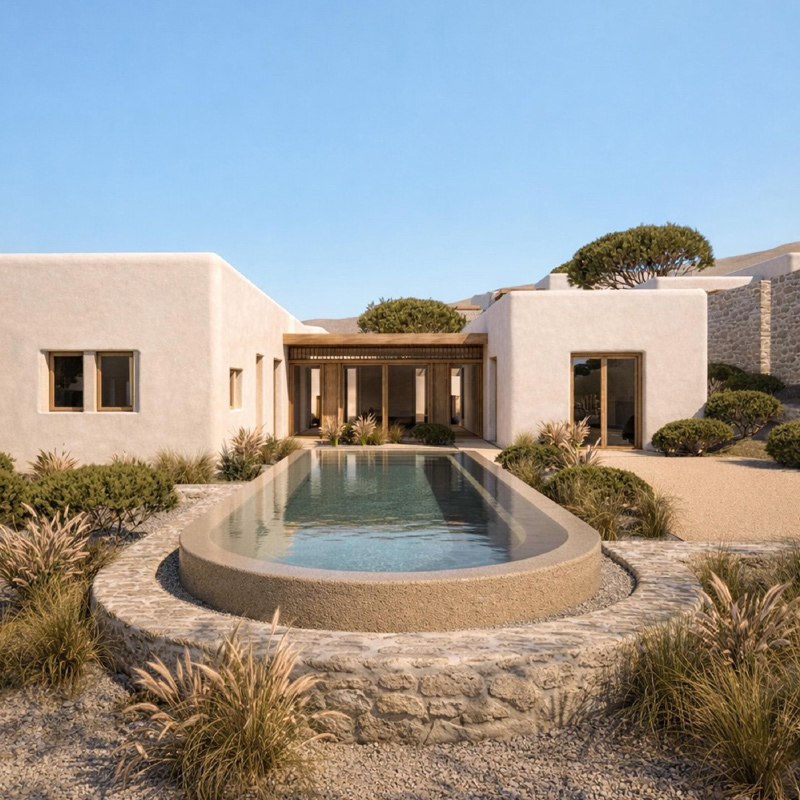
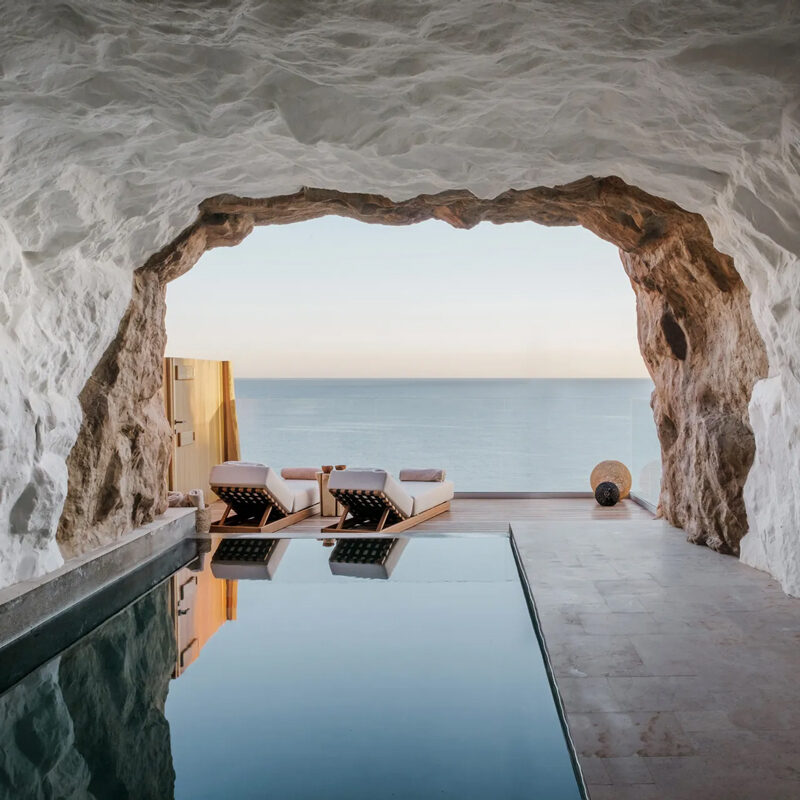
Minimalist architecture and interiors have become defining characteristics of the modern luxury hotel. Natural materials such as wood, stone, linen, and raw concrete replace ornate decoration, creating serene spaces that feel both sophisticated and calming.
Large windows invite the outside world in, blurring the line between interior and landscape. Rooms are intentionally uncluttered, with every element carefully chosen to create harmony and balance.
This approach is often inspired by Scandinavian and Japanese design philosophies, where simplicity and craftsmanship are considered the highest forms of sophistication. Rather than overwhelming guests, these spaces are designed to create a sense of peace — an increasingly rare luxury in today’s fast-paced world.
Sustainability as the New Standard
Perhaps the most important transformation in luxury hospitality is the rise of sustainable travel.
Luxury travelers today are more conscious than ever about their environmental impact, and many hotels are responding with ambitious sustainability initiatives. Energy-efficient architecture, renewable energy sources, local construction materials, and zero-waste policies are becoming increasingly common.
In some destinations, hotels are designed to blend seamlessly into their surroundings. Buildings may be partially embedded into hillsides or constructed using traditional local techniques that reduce environmental impact.
Farm-to-table restaurants highlight seasonal produce sourced from nearby farms or on-site gardens, while spas incorporate natural ingredients inspired by the region’s landscapes.
In this new vision of luxury, exclusivity is no longer about excess — it is about experiencing extraordinary places while preserving them.
Highly Personalized Experiences
Luxury hospitality has also become more personal than ever. Advances in technology, combined with a renewed focus on service, allow hotels to create tailor-made experiences for each guest.
Before arrival, guests may be asked about their preferences: preferred room temperature, favorite beverages, pillow selection, or desired activities. Once on property, every detail is carefully orchestrated to match individual tastes.
Private dinners under the stars, guided hikes with local experts, sunrise yoga sessions overlooking the ocean, or exclusive cultural encounters with artisans and chefs are becoming defining elements of modern luxury travel.
The goal is no longer simply to provide comfort, but to create unforgettable moments that feel uniquely personal.
The Rise of Intimate Boutique Hotels
Another major trend shaping luxury hospitality is the growing popularity of boutique hotels and smaller properties.
Many travelers now prefer intimate hotels with fewer rooms, where the atmosphere feels warm, relaxed, and exclusive. These properties allow for a higher level of personal attention and a more authentic connection to the destination.
A restored Mediterranean villa, a countryside manor turned into a refined retreat, or a secluded nature lodge surrounded by dramatic landscapes can often offer a more meaningful experience than a large resort.
These hotels emphasize storytelling, local culture, and individuality, transforming a stay into something far more immersive than traditional luxury accommodations.
Wellness and the Luxury of Slowing Down
In a world dominated by constant connectivity and busy schedules, luxury hotels are increasingly focusing on wellness and mindful travel.
Guests are looking for places where they can slow down, reconnect with themselves, and restore their energy. As a result, many hotels now offer holistic wellness programs that go far beyond traditional spas.
Meditation sessions, sound healing, outdoor adventures, nutrition-focused cuisine, and multi-day wellness retreats are becoming central components of the luxury hospitality experience.
Some hotels even encourage digital detox by minimizing screens and emphasizing nature, silence, and reflection.
In this new landscape, luxury is no longer defined by extravagance — it is defined by time, space, and the freedom to truly disconnect.
A New Definition of Luxury
The evolution of luxury hospitality reflects a broader shift in how we travel and what we value.
Today’s most remarkable hotels are not necessarily the largest or the most extravagant. Instead, they are the ones that offer thoughtful design, environmental responsibility, personalized service, and authentic experiences rooted in their location.
Luxury, in its most modern form, is about emotion and meaning. It is about discovering extraordinary places, connecting with local cultures, and returning home with memories that linger long after the journey ends.
And it is precisely this new philosophy that is shaping the future of the world’s most beautiful hotels.
